LEED Qualifying Points
A Product Solution for Green Architecture
Achieve LEED certification with our sustainable clay roofing, contributing to energy efficiency and environmental stewardship in construction projects.
The Rising Demand for Sustainable Building Products
In today’s world, an awareness and demand for energy efficient, environmentally friendly products is rapidly growing.
Manufacturers have been challenged to meet the demand for products that are “greener” and longer lasting, particularly in products such as insulation and roofing materials. MCA clay tiles meet many standards defined by the U.S. Green Building Counsel’s Leadership in Energy and Environmental Design (LEED) program.
Creating a “green” building, in effect, means matching the products and materials to the specific project design and site in order to minimize the overall environmental impact.
LEED v4 Credits
MCA Clay Roof Tile contribution to green building certifications.
Sustainable Sites
RAINWATER MANAGEMENT
Homes category only, 1-3 possible points. To reduce rainwater runoff volume from site.
Point Requirements:
Case 1. Low Impact Development: Clay roof tiles are smooth, hard, and do not shed contaminants.
Materials & Resources
SOURCING RAW MATERIALS
Option 2. Leadership Extraction Practices (1 point). 60% of MCA’s clay content is pre-consumer recycled material.
REGIONAL SOURCING
MCA plant is located in Corona, California. Products sourced within 100 miles are valued at 200% of base cost.
CALCULATION FORMULAS
- Eq 1: Recycled Value = (% Post-con x Cost) + (0.5 x (% Pre-con x Cost))
- Eq 2: Project % = Total Recycled Value / Total Materials Cost
60%
of MCA’s clay content is pre-consumer recycled material
Environmentally Preferable Products
(HOMES CATEGORY ONLY)
To increase demand for products that minimize material consumption through recycled and recyclable content, reclamation, or overall reduced
Option 2.
- Environmentally Preferable Products (1 point for roofing)
- Products sourced (extracted, manufactured, and purchased) within 100 miles of project site are valued at 200% of base contributing cost.
- At least 90% of building component, by weight or volume, must contain at least 25% postconsumer or 50% pre-consumer content
- 60% of MCA’s clay content is pre-consumer recycled material.
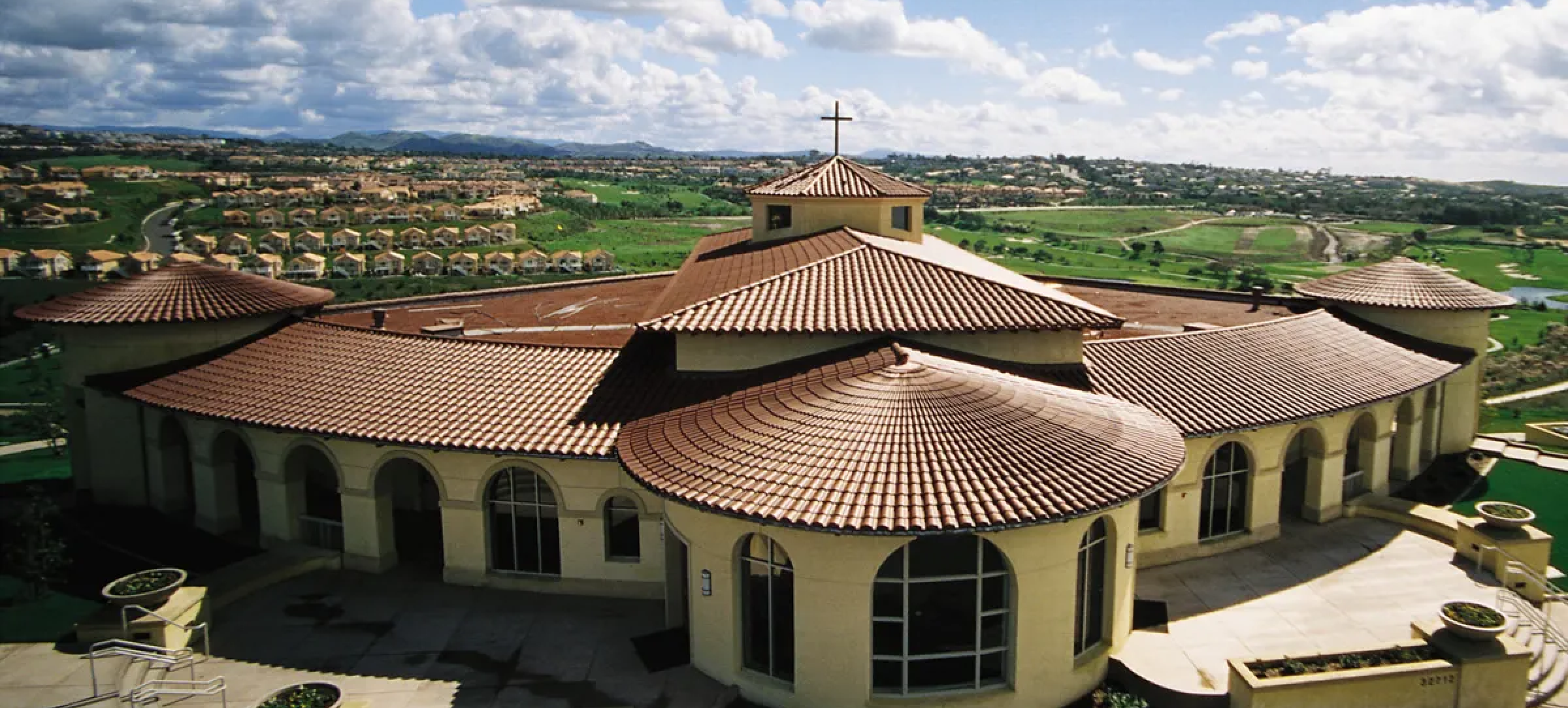
Going green is a smart, cost effective investment for the future.
Saving energy not only benefits the environment but saves money by lowering lifecycle energy costs.
Going green is a smart, cost effective investment for the future.
Saving energy not only benefits the environment but saves money by lowering lifecycle energy costs.